The most common general liability claims arise from everyday exposures, ranging from incidents on commercial premises to errors in operations that impact third parties. What sets outcomes apart is how quickly evidence is captured and how effectively adjusters guide resolution. With disciplined Loss Adjusting those steps align to keep claims under control and protect the brand behind them.
What General Liability Covers and Why It Matters
General liability in commercial operations protects against claims from third parties for bodily injury when someone is harmed on your premises or through your operations, for property damage when another’s property is affected, for product liability when goods or completed work cause harm, and for personal or advertising injury such as defamation or copyright misuse.
Recognizing the most common general liability claims is important because they influence premium costs, legal exposure, business continuity, and reputation. Knowing which risks occur most often allows organizations to align safety practices, coverage, and response processes to limit disruption and maintain control.
Most Common Liability Claims and How to Handle Them Efficiently
General liability claims require precision, speed, and consistency from the moment they arise. These exposures surface often in commercial operations and can escalate quickly without structured handling. The most common general liability claims outlined here highlight where risks appear most frequently and the steps that help drive efficient resolution.
Premises Injury Claims
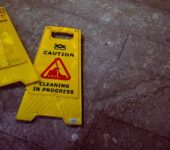
Premises injury claims happen when someone is injured due to unsafe physical conditions on business property. Examples include wet floors without warning, uneven walkways, poor lighting, or clutter in common areas. To handle these efficiently:
- Hazard Patrols and Immediate Fixes: Regularly inspect high-traffic zones, correct hazards, or place warnings right away.
- Scene Documentation: Photograph conditions, note date/time, staff on duty, lighting, and signage as they were at the moment.
- Maintenance and Policy Review: Update cleaning schedules, address facility aging concerns, ensure compliance with lighting standards, and implement layout changes in accordance with safety policies.
Third-Party Property Damage
Third-party property damage refers to accidental damage to someone else’s property through your operations. Examples include contractors damaging client property, equipment damage, or damage during the delivery or movement of goods. When it’s time to manage, consider these targeted actions:
- Pre-Work Condition Reports: Take photos or videos of the client or adjacent property before work begins.
- Protective Measures: Use protective coverings, barriers, padding, or methods that limit risk when working near valuables.
- Rapid Remediation: If damage occurs, offer repairs, provide estimates, document all costs, and notify affected parties quickly.
Bodily Injury
These claims involve physical harm that is not caused by slipping or tripping but can result from falling objects, contact with sharp edges, exposure to heat, food-borne illness, or other hazards. To move confidently, focus on:
- Hazard Identification Beyond Walkways: Inspect for hazards such as loose shelving, unsecured fixtures, equipment, or exposure zones.
- Visitor Safety Protocols and Signage: Use barriers, warnings, and supervise areas where visitors may be exposed.
- Incident Response Workflow: Gather medical information, witness statements, photos, preserve evidence, and follow up quickly.
Advertising or Personal Injury Claims
Advertising or personal injury claims involve harm to the reputation or rights of individuals or entities. Examples include defamation, copyright infringement, misleading promotions, or unauthorized use of creative works. To improve outcomes, take these steps:
- Legal Review of Content: Vet marketing, social media, ads, contracts for rights and risk before release.
- Archive and Version Control: Keep originals, approvals, usage terms, contracts, and earlier drafts of promotional content.
- Early Responsive Action: If possible, resolve issues like corrections, retracts, or settle disagreements before litigation.
Product Liability or Completed Operations
These claims arise when a product fails or completed work causes damage after it is finished. Examples include flaws in design or manufacturing, failure to warn of risks, or work that fails after handover. To guide response:
- Rigorous Quality Assurance: Inspect, test, and audit the process or product before delivery or completion.
- Warning and Instruction Packages: Include explicit guidance, labeling, warnings, or maintenance instructions.
- Traceability and Warranty Records: Keep batch numbers, work logs, completion reports, and customer feedback to support defense or settlement.
Strategies for Efficient Liability Claims Handling
Effective liability claim handling requires more than immediate reaction. It relies on structured systems, clear processes, and disciplined execution to keep outcomes controlled. The strategies below offer practical ways to strengthen performance and reduce exposure across claim types.
Structured Claim Triage and Prioritization
Develop criteria to classify claims based on risk level, cost potential, and reputational impact. Direct the most complex or high-value cases to senior adjusters for immediate attention. A tiered approach saves time and ensures expertise is applied where it matters most.
Consistent Investigation Protocols
Use uniform investigation steps for every claim, including site inspections, interviews, and evidence collection. Templates and checklists help prevent oversights during stressful situations. Consistency also supports defensibility if litigation follows.
Transparent Stakeholder Communication
Maintain clear communication with all parties through scheduled updates and concise reporting. Include photos, estimates, and next steps to keep expectations aligned. This transparency helps reduce disputes and reinforces trust throughout the process.
Data Analytics and Claim Trend Reporting
Leverage aggregated claim data to identify recurring hazards and costly claim categories. Use trend insights to drive training programs and safety investments. Predictive reporting helps reduce future frequency and sharpens overall risk management.
Engle Martin applies these strategies with a national team of full-time W2 adjusters who bring technical precision and disciplined execution to every claim. From premises injury to property damage or product exposure, our teams ensure reliable outcomes and client-aligned performance across all regions.
Read: What are Commercial Property and Casualty Claims?
How Effective Loss Adjusting Improves Liability Claim Outcomes
Loss Adjusting combines field investigation, policy review, and technical evaluation in a coordinated process. At Engle Martin, we handle every claim, from daily losses to large and complex, cross-regional events, with the same consistency, care, and commitment to excellence.
What sets good loss adjusting apart includes:
- Scale to respond when incident volume increases or when multiple locations are involved.
- Standardized protocols that keep documentation, estimates, and interpretations aligned.
- Real-time visibility with status updates, photographs, and cost projections shared as work proceeds.
Partner with Engle Martin to Streamline Your Claims Resolution
Efficient liability claim handling depends on identifying common exposures, capturing the right evidence, and structuring workflows for speed and accuracy. Engle Martin supports this with national reach, field presence, and adjusters trained to represent client brands with professionalism and transparency.
Our adjusters act as extensions of client brands, offering professional conduct, frequent status updates, and transparency into cost and scope. When commercial property, liability, or marine exposures cross state lines or scale up, our claims professionals deliver consistent handling without gaps.
Contact us to learn how Engle Martin can support your next complex loss.